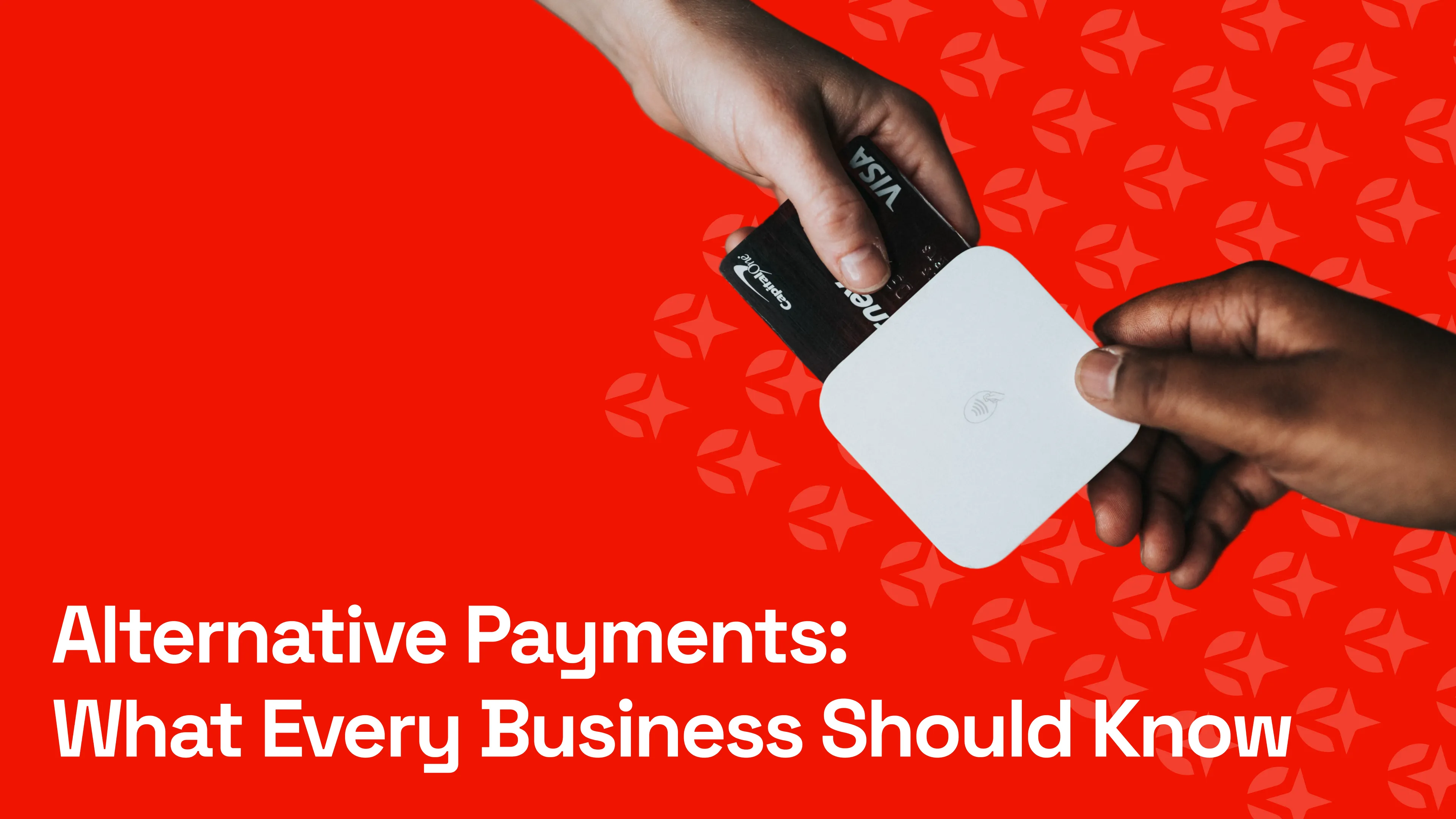
Customers don't pay the same way everywhere. Cards may still be familiar in one market, while digital wallets, QR payments or mobile money dominate in another. For businesses operating across multiple countries, offering the right payment methods can directly affect whether customers complete a purchase.
Alternative payment methods cover a broad range of options beyond traditional card payments. This includes eWallets, QR payments, mobile payment services, and crypto. Each works differently, and their relevance depends heavily on the market. This guide explains how these payment methods work, where they fit, and what businesses should consider before adding them to their payment setup.
Changing consumer behaviour
Consumer expectations have shifted dramatically with the widespread adoption of smartphones and wider internet access. Consumers increasingly expect payment methods that are quick, familiar, and available across online and in-store purchases. Studies predict that by 2027, digital wallets will account for more than 50% of all online payments worldwide. As more payments move to mobile devices, businesses need to support the methods their customers already use.
The growing popularity of eWallets
Digital wallets are now one of the most widely used payment methods in e-commerce. Platforms like Apple Pay, Google Pay, Alipay, and WeChat Pay enable users to make online and in-store purchases with a tap or scan. These systems provide advanced security measures, such as biometric authentication and tokenisation, safeguarding user data and minimising fraud risk.
Business advantages:
- Faster checkout: Customers can pay without entering card details for every purchase.
- Payment security: Tokenisation and biometric authentication can add security without adding extra checkout steps.
- Mobile-friendly checkout: eWallets make it easier to complete purchases on smartphones without manually entering payment details.
QR Codes: connecting the physical and digital worlds
QR code payments are widely used in mobile-first payment markets, particularly across Asia. Customers can scan a QR code with their phone to open a payment flow or initiate a transaction. Depending on the payment system, QR codes can let customers pay directly from a wallet or bank account without using a physical card.
Business advantages:
- Simple acceptance: QR payments can require less physical payment infrastructure than traditional card terminals.
- Mobile-first checkout: Customers can initiate payments directly from their phones.
- Local relevance: QR payments can give merchants access to payment systems widely used in specific markets.
Mobile payments beyond digital wallets
Mobile payments extend beyond digital wallets and QR codes. They include in-app payments, mobile banking, and P2P services. Their importance varies by market, depending on consumer habits and the local banking infrastructure. In some African markets, mobile money is a major payment channel, particularly where access to traditional banking infrastructure is limited.
Business advantages:
- Local reach: Mobile payment methods can help businesses serve customers who rely on mobile-first financial services.
- Fast processing: Some mobile payment systems support real-time or near-real-time transaction processing.
- More payment choice: Merchants can offer methods that match local customer preferences.
Cryptocurrency: a new payment frontier
Cryptocurrencies such as Bitcoin and stablecoins can also be used for payments, although adoption varies significantly by market. These digital assets operate on decentralised blockchain networks, offering an alternative to traditional banking systems. While mainstream adoption is still in its early stages, many businesses embrace cryptocurrency as a legitimate payment option. Crypto can also provide an alternative payment route in markets where access to international banking or cross-border payment infrastructure is limited.
Business advantages:
- Cross-border payments: Crypto can provide an additional route for international transactions.
- Potential cost differences: Fees may be lower for some transactions, depending on the network, currency, and payment provider.
- Additional payment choice: Merchants can serve customers who prefer to pay with digital assets.
The importance of adapting to alternative payment methods
Failing to offer diverse payment options can negatively impact business performance. Payment choice can affect conversion. If a customer's preferred payment method isn't available at checkout, they may choose another merchant or abandon the purchase.
Key considerations:
- Customer preferences: Identify the methods customers already use in each target market.
- Market coverage: Payment preferences differ by country, so businesses expanding internationally need a local payment strategy.
- Regulation: Check the regulatory, compliance, and licensing requirements for each payment method and market.
Overcoming challenges in payment integration
While adopting alternative payment methods offers significant advantages, businesses must navigate particular challenges.
Security concerns
Solution: Work with providers that meet relevant security requirements, including PCI DSS where applicable.
Technical integration
Solution: Check API requirements, supported payment methods, and compatibility with your existing payment infrastructure.
Employee training
Solution: Make sure the teams handling payments, refunds, and customer support understand how each method works.
The future of payments
Payment methods will continue to develop differently across markets. Digital wallets already dominate global e-commerce transaction value, while QR payments, mobile money, A2A transfers, and crypto have stronger use cases in particular regions. For businesses, the practical question is which methods their customers use, and whether their payment infrastructure can support them.
Choosing the right alternative payment methods
No single payment mix works for every business or market. Digital wallets may dominate one country, while customers elsewhere rely on bank transfers, mobile money or QR payments.
Before adding a new payment method, businesses should consider how customers pay locally, integration costs and technical requirements, settlement terms, and relevant regulations.
SPAYZ.io supports local payment methods across multiple markets through a single API integration. Merchants can manage transactions, monitor payment activity and handle payouts through the SPAYZ.io dashboard. To discuss payment options for a specific market, contact our team.