In High-Risk payments, the approval rate plays a significant role — it distinguishes a payment flow that scales from one that leaks revenue at every step. For merchants in iGaming, Forex, and other sensitive verticals, the challenge is rarely a single failed transaction. It is the combination of issuer behaviour, corridor availability, local payment preferences, compliance checks, and processor routing logic that determines whether a payment is approved or declined.
SPAYZ.io works across 35+ GEOs and supports multiple payment methods, including eWallets, Bank transfers, Mass payouts, and QR code payments. That matters because approval performance is often tied to how closely the payment method, currency, region, and risk profile match the transaction context.

What goes wrong when routing is weak
Poor routing usually shows up not as one dramatic failure, but as a series of small conversion leaks. High-Risk payments can be costly:
- The first provider becomes a bottleneck, and every decline hits the checkout flow instead of moving to a better fallback path.
- Transactions are routed through a rail that does not match the corridor, currency, or local payment preferences, creating avoidable friction.
- Merchants rely on a single acquirer, so any change in risk appetite, corridor coverage, or acceptance rules can immediately affect approvals.
- Retry logic is either overly aggressive or overly simplistic, resulting in duplicate attempts without improving acceptance.
- Teams have limited visibility into where failures occur, so they cannot distinguish among issuer declines, corridor issues, compliance friction, or route-level problems.
The decision — provider cascading.
Why provider cascading matters
Provider cascading is useful when the first route is unavailable or not the best fit for the transaction. Instead of ending the payment attempt there, the flow can move to a fallback provider under controlled rules.
The point is not to retry everything. The point is to keep the payment flow resilient while staying aligned with risk controls, compliance checks, and the merchant’s approval strategy.
Real routing scenarios
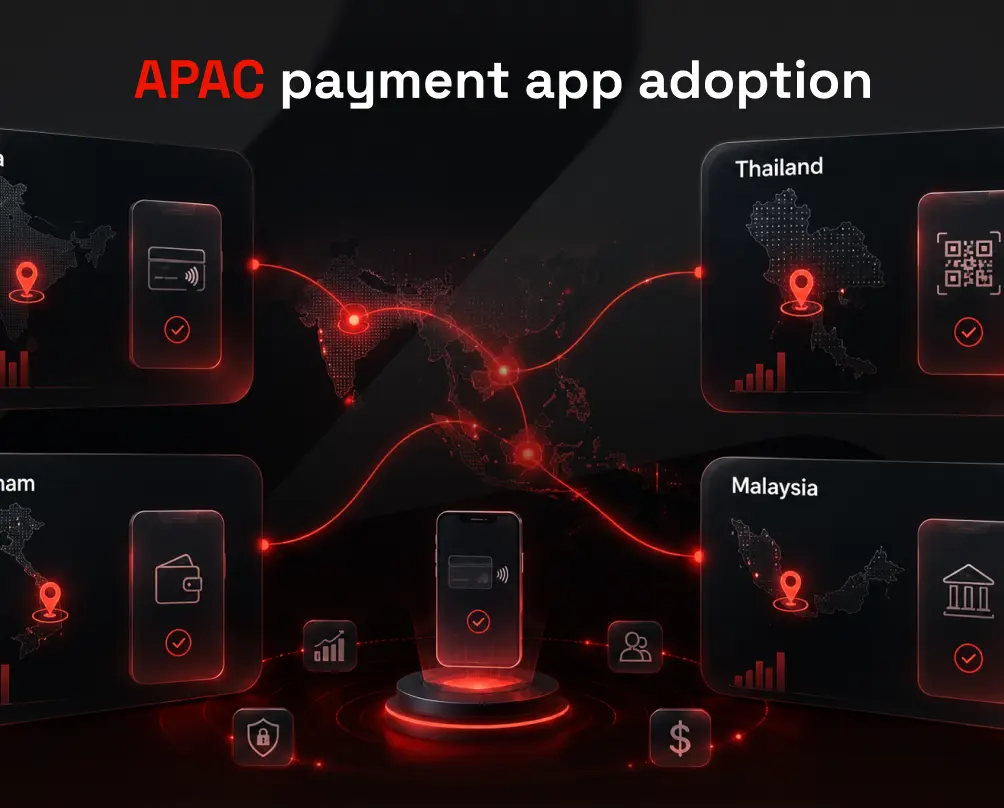
In multi-GEO operations, one rail does not fit all markets. For example, SPAYZ.io covers 35+ GEOs and offers local payment methods such as UPI, IMPS, P2P, and Zalopay for Bank Transfers.

Smart routing turns these into first-try approvals by matching the transaction profile to the best available path.
What good cascading looks like
Effective cascading should be controlled, observable, and rule-based. It should not create duplicate charges or uncontrolled retries. Instead, merchants need a setup where routing logic can prioritise the best available provider, fall back only when necessary, and preserve clear visibility into why a transaction moved from one path to another.
How SPAYZ.io fits
SPAYZ.io is built for High-Risk merchants that need more than a simple payment gateway. Its value is in combining routing flexibility, alternative payment methods, broad GEO coverage, and compliance-aware infrastructure. The platform emphasises security and processing standards such as PCI DSS and 3-D Secure. For merchants, this makes it easier to design payment flows that are both conversion-oriented and operationally resilient.
If you’re ready to run your routing now, contact our manager to choose the best option for your business.